Your Destination Wedding Timeline in Portugal: What to Expect

If you are just starting to plan and googling every question late at night, here is something nobody tells you upfront. A destination wedding timeline in Portugal looks nothing like a hometown one. You are not just picking a date. You are coordinating flights, a foreign paperwork process, vendors who speak a different first language, and guests who are turning your wedding into their vacation. Once you see the whole picture laid out, it stops feeling overwhelming and starts feeling like something you can actually plan for.
We have walked dozens of couples through this exact process, mostly from the US, and the timeline always follows the same rhythm. Here is what it really looks like.
Your Destination Wedding Timeline, Month by Month
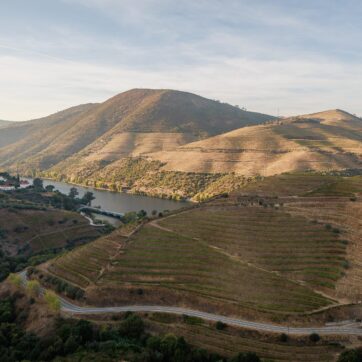
Twelve to nine months out is when you lock the venue and the planner. In the Douro and around Porto, the best quintas book far in advance, especially for spring and September dates, so this step sets everything else in motion. If you have not gone through the full planning arc yet, our guide to planning a Douro Valley wedding walks through this stage in more detail.
Eight to six months out is paperwork season. Getting legally married in Portugal as a foreign couple means gathering specific documents, sometimes apostilled and translated, and submitting them to the Portuguese civil registry within a set window before the ceremony. It is not complicated once you know the steps, but it does take longer than most couples expect, so start early. We cover exactly what is required in our guide to legally marrying in Portugal as an American couple.
Six to three months out, the vendor world comes together. Photographer, florist, hair and makeup, transportation for guests between hotels and the quinta. This is also when your budget gets real, and it helps to know upfront what things actually cost here rather than guessing based on prices back home.
The final stretch, from two months to wedding week, is about details rather than decisions. Final headcounts, seating, welcome bags, rehearsal timing, and making sure every vendor has the same schedule in hand.
The Logistics Nobody Warns You About
The biggest adjustment for American couples is time. Contracts, permits, and vendor confirmations in Portugal do not move at the same pace as they might at home, and that is fine as long as you build in room for it. The same goes for the legal side. Once you properly register a marriage performed in Portugal, the US recognizes it the same way it would any marriage performed abroad. It is worth reading the official guidance from the U.S. Embassy in Portugal so you know what documentation to keep for when you get home.
Currency and payments are another thing worth planning for early. Most vendors here work in euros and expect deposits well ahead of the day, so talk to your bank about international transfers before you are down to the wire.
And then there is the guest experience. Your friends and family are not just attending a wedding, they are landing in a country they may never have visited, jet lagged, on a schedule you set. Building a couple of easy, low pressure days around the wedding itself, not just the ceremony, is what actually makes a destination wedding feel generous rather than exhausting for the people you love.
What Your Wedding Week Actually Looks Like
Most couples arrive three to five days before the ceremony. That buffer matters. It gives you time to recover from the flight, walk the venue in person, do a final tasting or fitting, and just breathe before the day itself. A welcome dinner or casual gathering the night before tends to be where the trip really starts to feel real, guests meeting each other, stories getting told, everyone easing into the place.
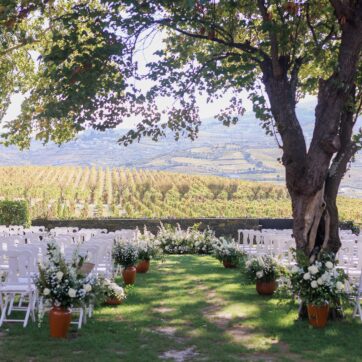
Wedding day in the Douro or Porto tends to move slower than people expect, in the best way. Ceremonies here do not rush between vendors and timelines the way they can elsewhere. There is space for the golden hour photos, the long dinner, the toasts that run past when they were supposed to. Having someone local coordinating all of it, so you are not the one answering vendor calls at 4pm on your wedding day, is honestly the difference between a beautiful wedding and a beautiful wedding you actually got to enjoy.
If you are somewhere in the middle of this timeline right now, or still trying to figure out where to even start, we would love to talk it through with you. Get in touch with Amor Pra Sempre and let’s map out what your own Portugal wedding timeline should look like.